Shaded courtyards
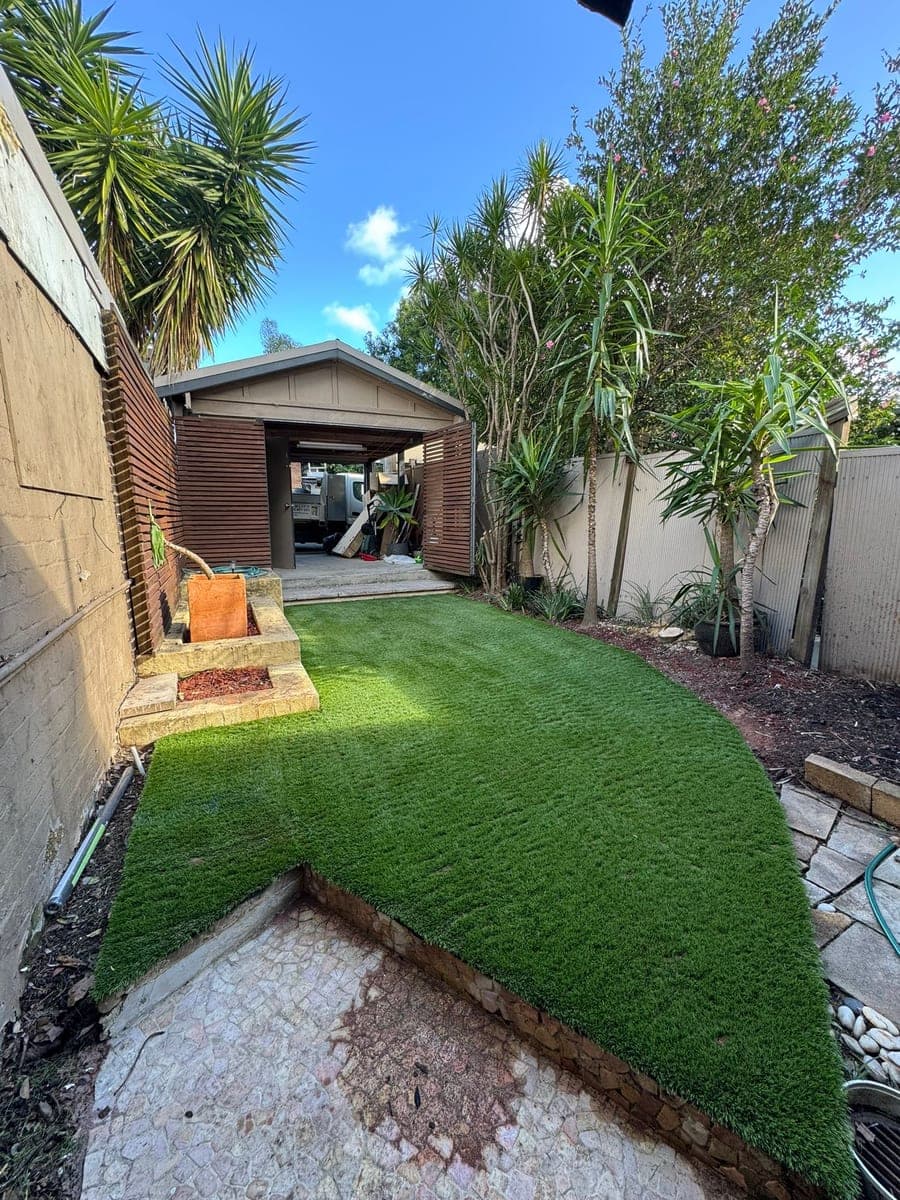
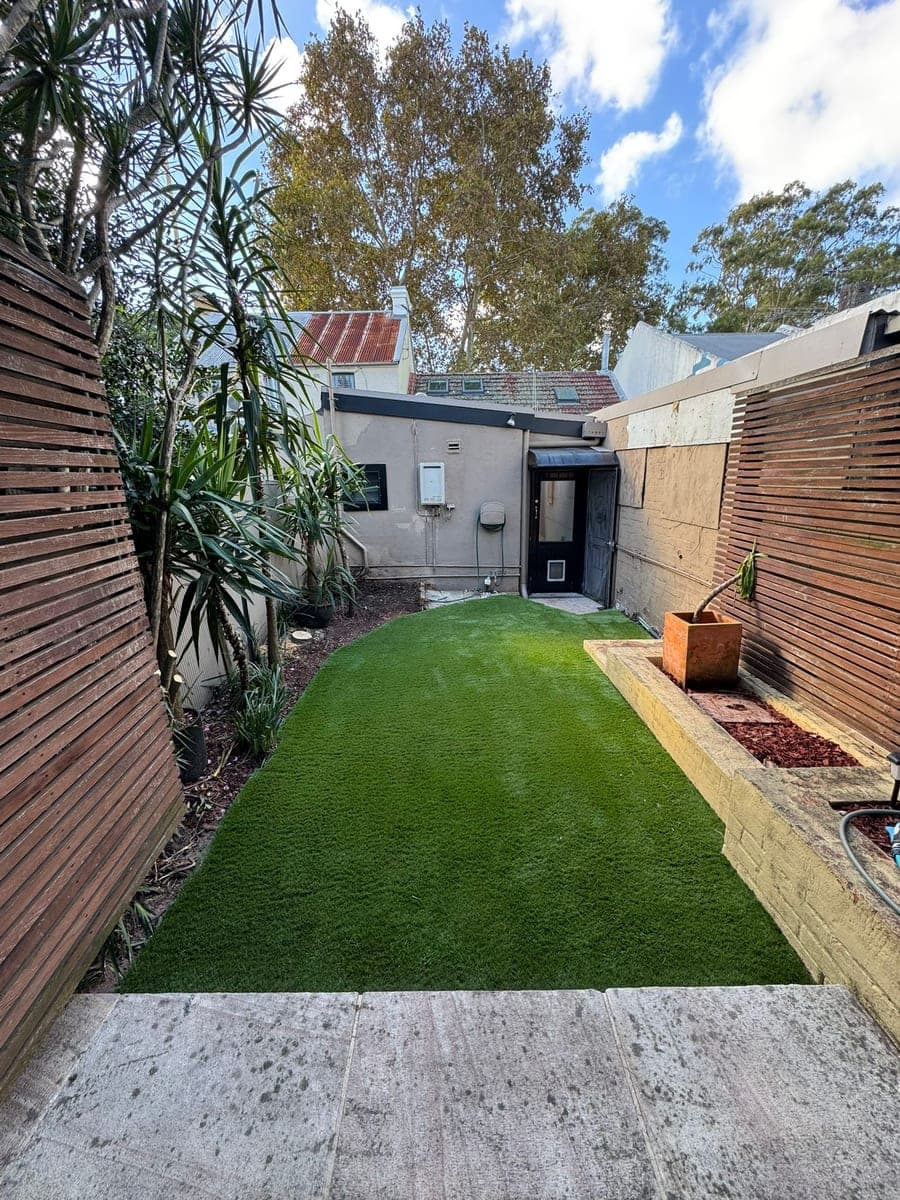
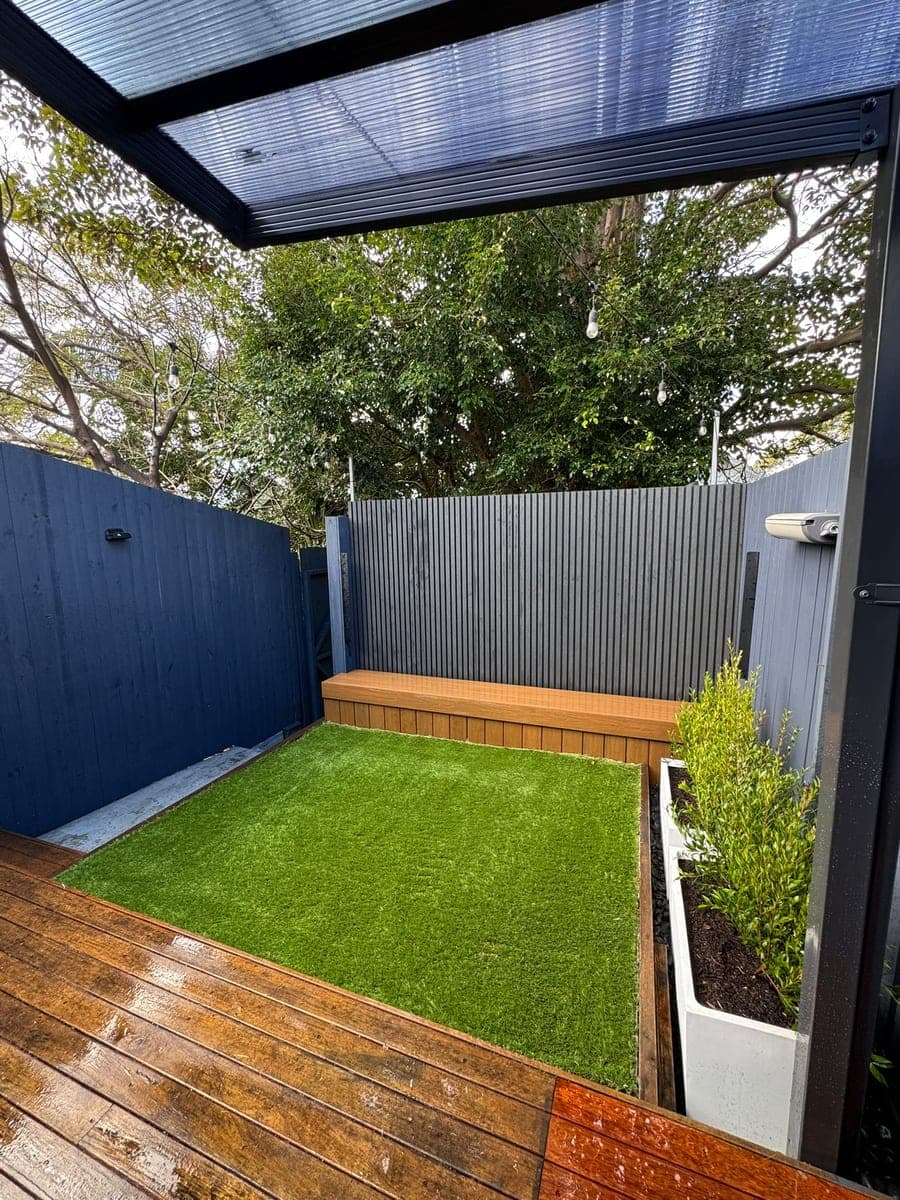
Where low light limits natural lawn growth, artificial turf can provide a green surface. Our Camperdown project replaced a struggling courtyard lawn; paving or planting may also suit depending on how the area is used.
Synthetic lawn for courtyards, pet areas and outdoor spaces where a natural lawn may not suit. We plan the base, drainage, joins and finished edges with the way you use the space.
Overview
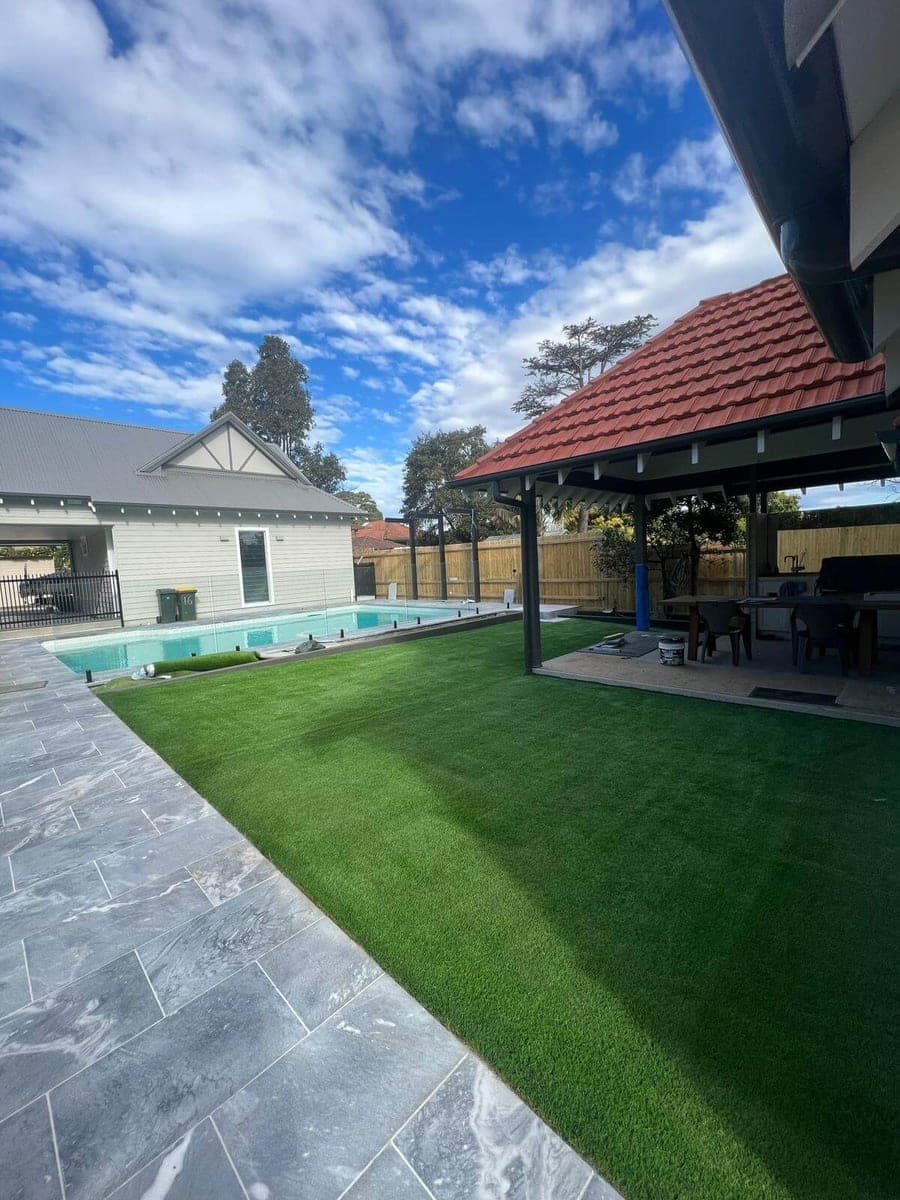
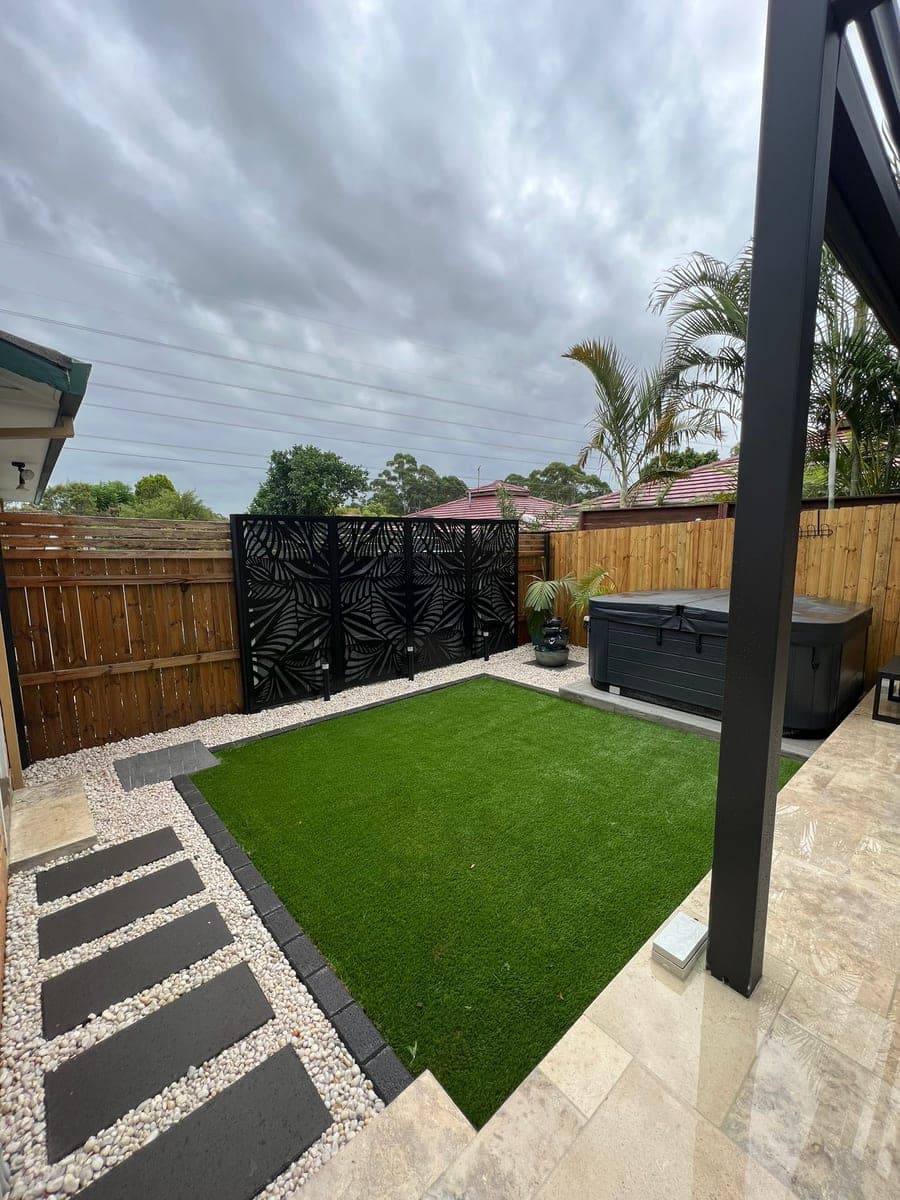
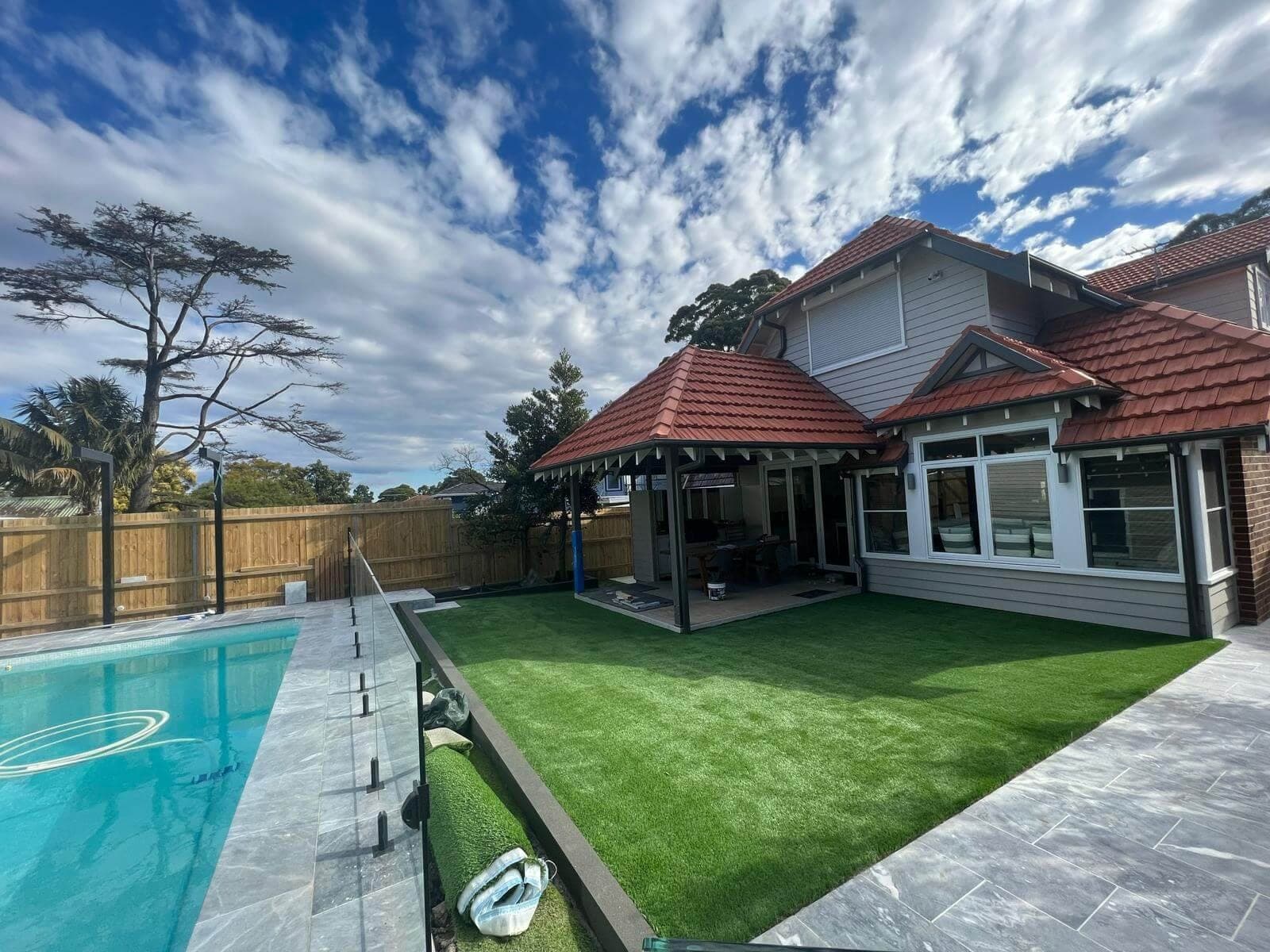
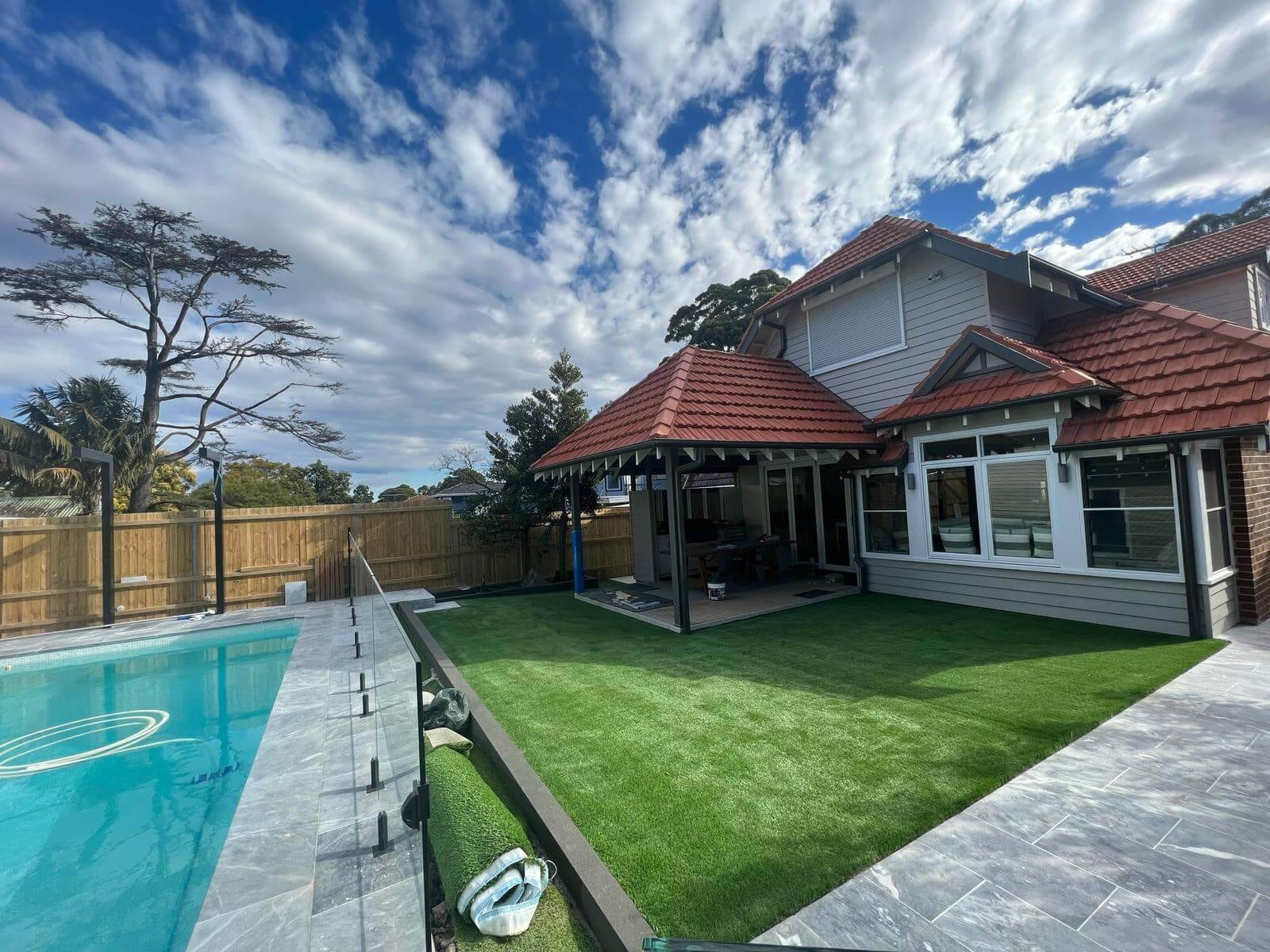
Artificial turf can suit a courtyard with limited sunlight or an area where heavy use makes natural lawn difficult to maintain. Our Camperdown installation fitted a synthetic lawn around the courtyard, while the Longueville project renewed lawn beside an existing pool.
It still needs cleaning and can become hot in direct sun. Drainage must be addressed beneath it, and pet use affects product choice and care. Consider those trade-offs alongside natural turf, paving or planting before choosing the surface.
What the work covers
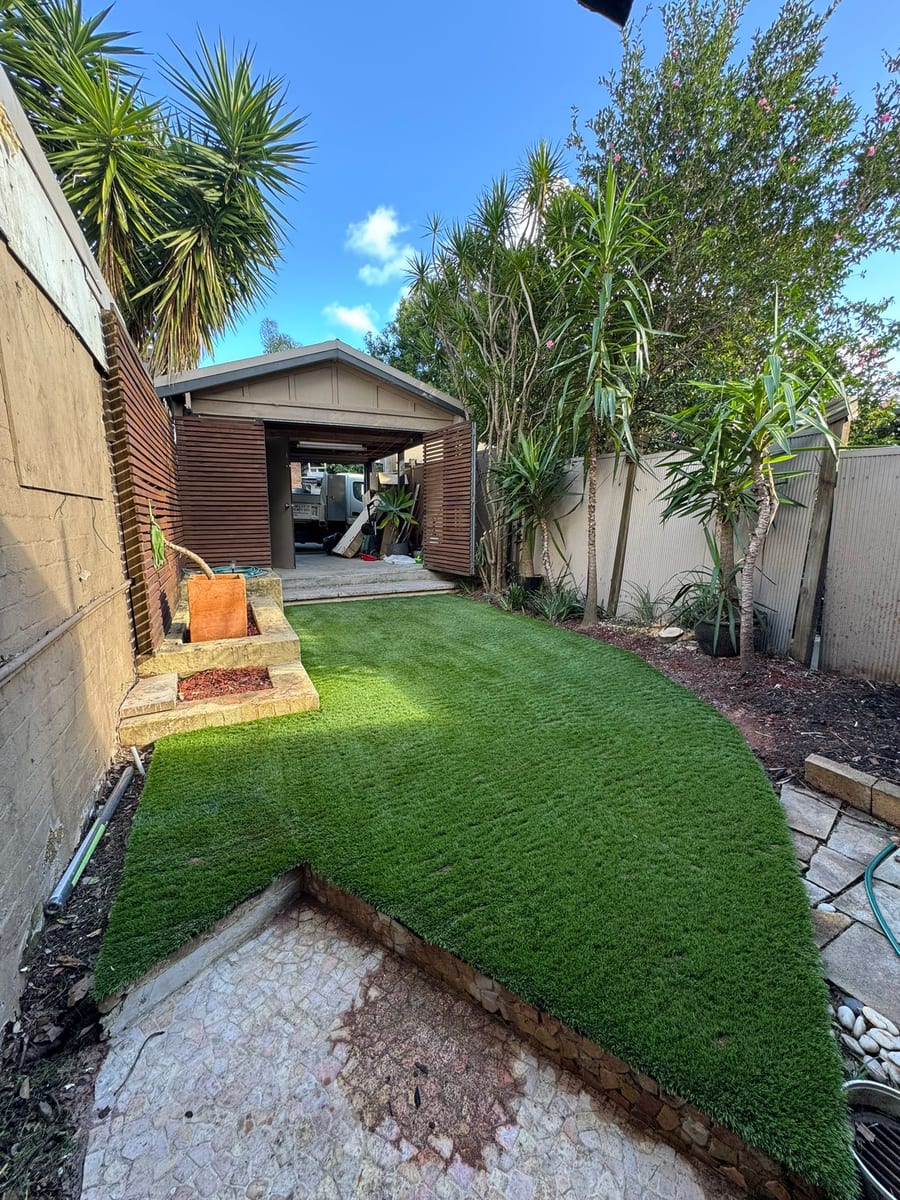
Where low light limits natural lawn growth, artificial turf can provide a green surface. Our Camperdown project replaced a struggling courtyard lawn; paving or planting may also suit depending on how the area is used.
Turf holds up to traffic that would wear a lawn to dirt. It needs a free-draining base and a hose you can actually reach, because washing down is part of owning it.
A consistent surface for everyday play, with drainage and heat exposure considered before choosing it. Any fall-protection requirements for play equipment need separate product and system assessment.
Strips too tight to mow, or areas where a mower cannot reasonably be got in and out, are often better as turf than as a failing patch of lawn.
Excavation to depth, then a placed and compacted base with the falls set. Artificial turf does not fix a water problem underneath it, it hides it for a while.
Where the turf meets paving, a wall, a step or a garden bed, the edge is restrained and fixed so it does not lift, curl or leave a visible strip.
Completed work
How it works
Shade, use, pets, drainage and how much sun the area gets are checked. Sometimes lawn or paving is the better call, and we will say so.
Existing lawn and unsuitable material are dug out to the depth the system needs, then the base is placed, shaped and compacted with the falls set.
Roll direction and seam positions are planned before cutting so joins fall where they are least visible, then the turf is laid, joined and cut in.
Infill is brushed in, the edges are fixed and restrained against the surfaces around them, and the pile is groomed so it stands up evenly.
Customer reviews
Common questions
Suitability depends on the product, installation and intended use. Check the manufacturer’s information, allow for surface heat in sunlight and plan cleaning and drainage for pet areas. Turf alone should not be assumed to provide certified fall protection beneath play equipment.
Yes, noticeably hotter than lawn in direct sun. Shade, the size of the area and the time of day it gets used all matter. Hosing it down cools it quickly, but that is a treatment rather than a fix, so it is worth weighing before you commit.
Leaves and debris still have to come off, pet areas need washing down, and the fibres need occasional brushing so they stay upright. Keeping mulch and soil from washing across it makes the biggest difference to how it looks.
Existing lawn and unsuitable material are excavated to depth, a base is placed and compacted with the falls set, then the turf is laid to a planned seam layout, joined, infilled and secured at every edge.
It can, provided the water underneath has somewhere to go, which usually means a drainage layer. Where the existing surface holds water, taking it up and building a proper base is the more durable answer.
Planning guides
Where we work
Tell us how shaded the area is and how hard it gets used. We will say whether artificial turf, lawn or paving suits it better.