Sandstone steppers
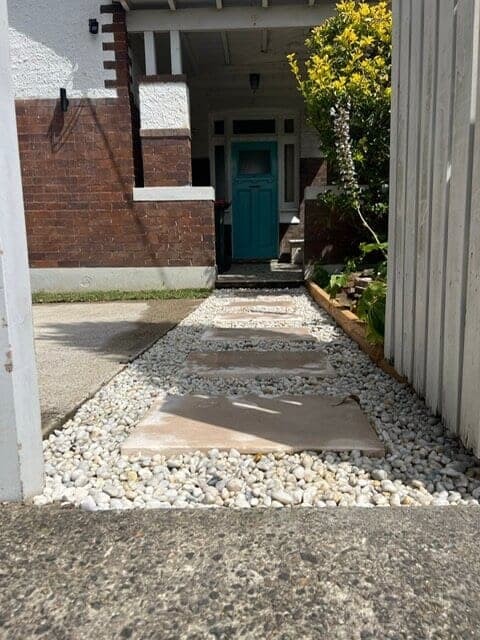
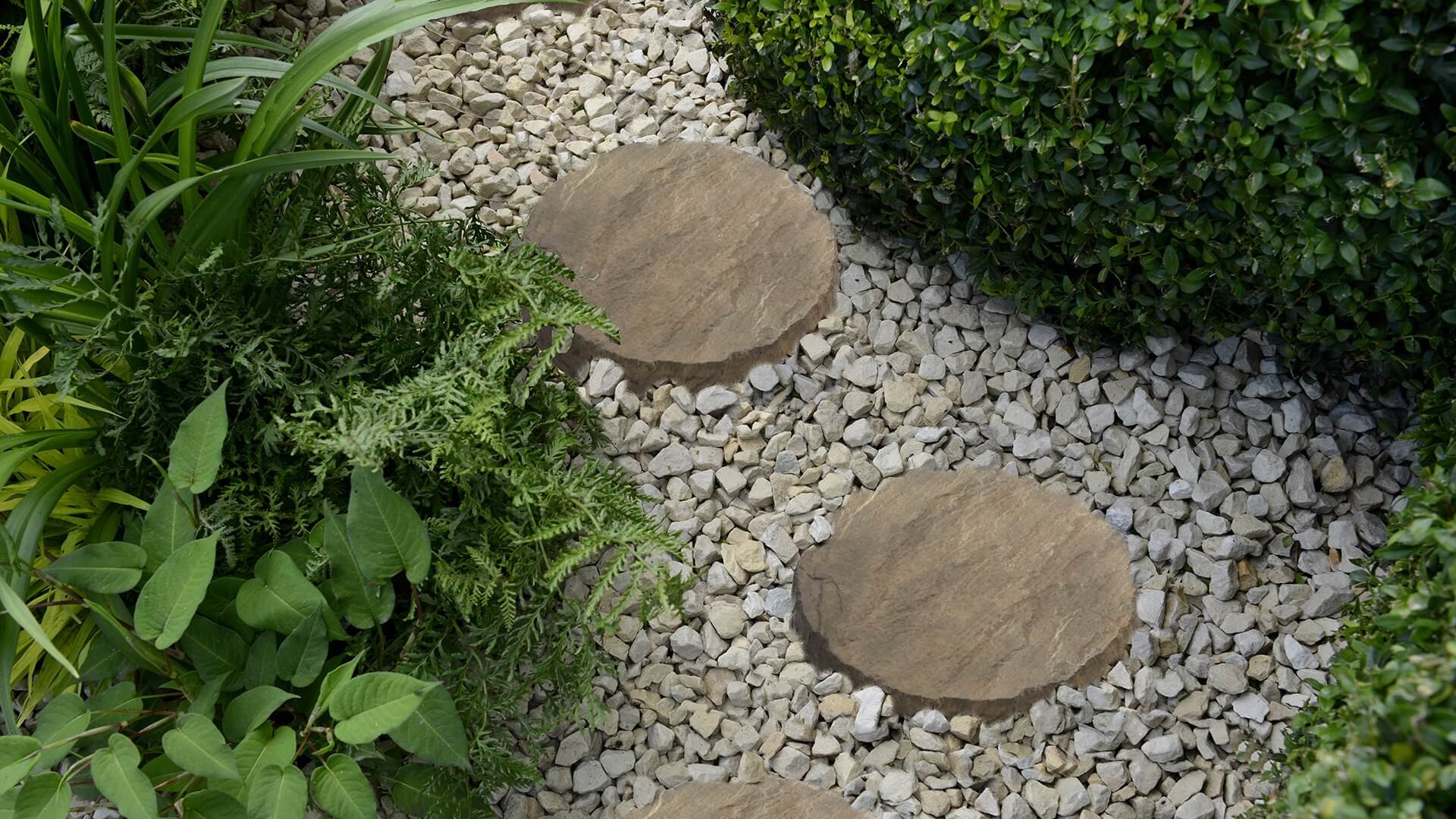
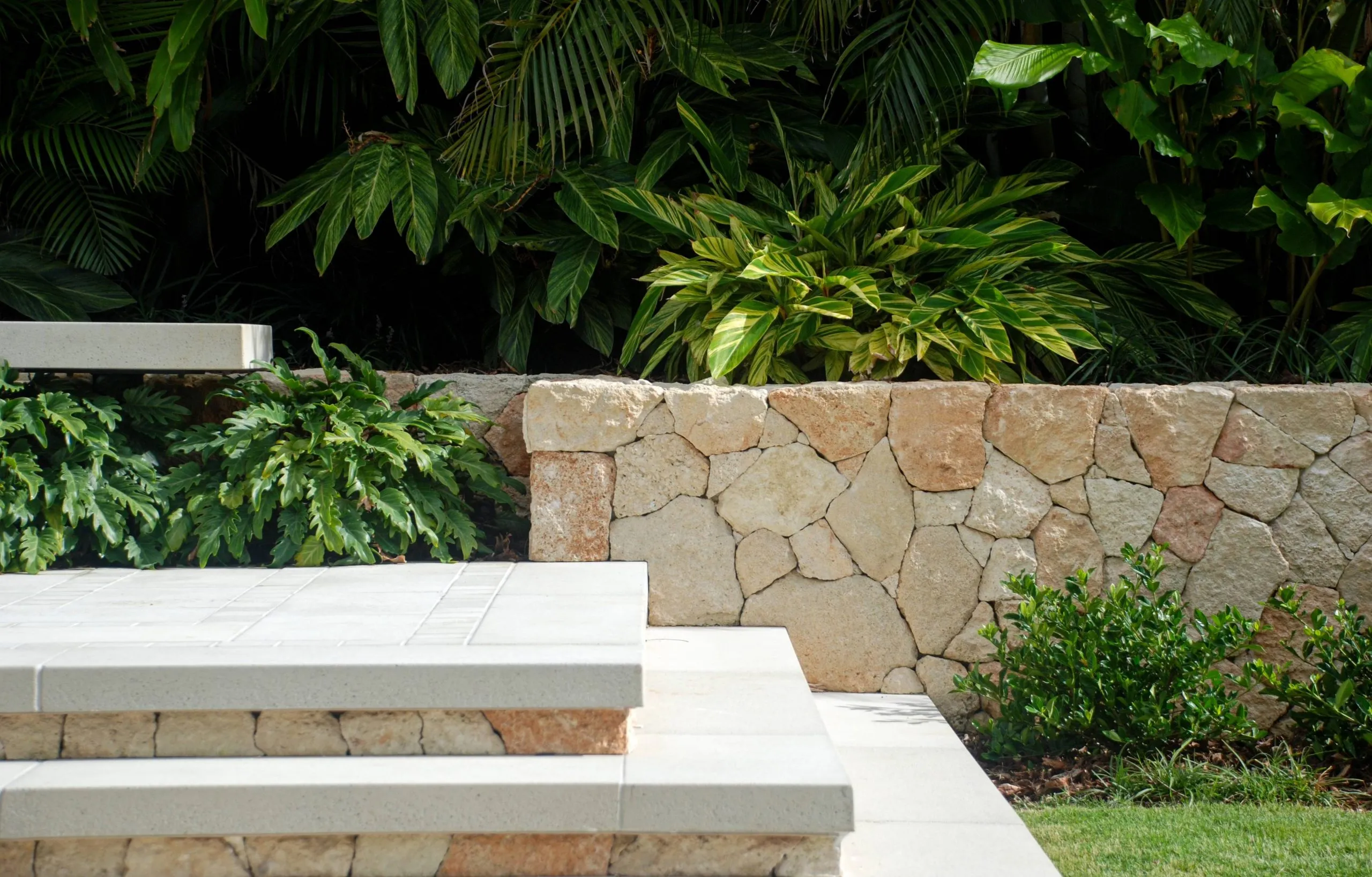
Buff, gold and grey tones can complement brick and planted gardens. Texture and wet slip performance vary by product, so choose a finish suitable for the intended outdoor use.
Garden paths and stepping stones that connect the house, lawn and everyday destinations, with a route and surface suited to the people using them.
Overview
A path should connect the places you need to reach: the gate, clothesline, tap or a seat in the garden. Stepping stones can make a walking route through lawn or planting; a continuous surface is often more practical for bins, wheels or frequent access.
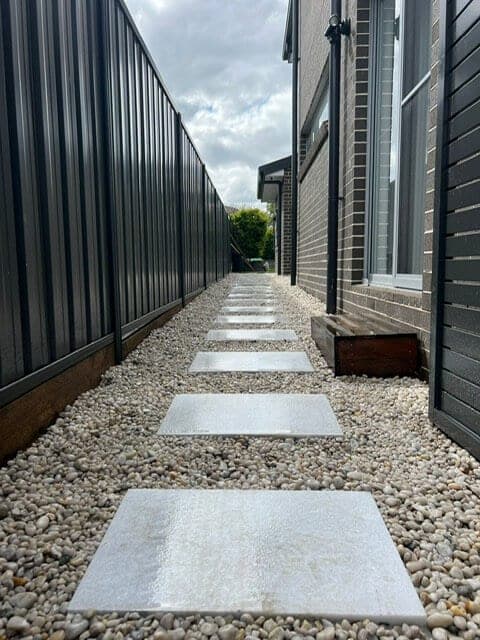
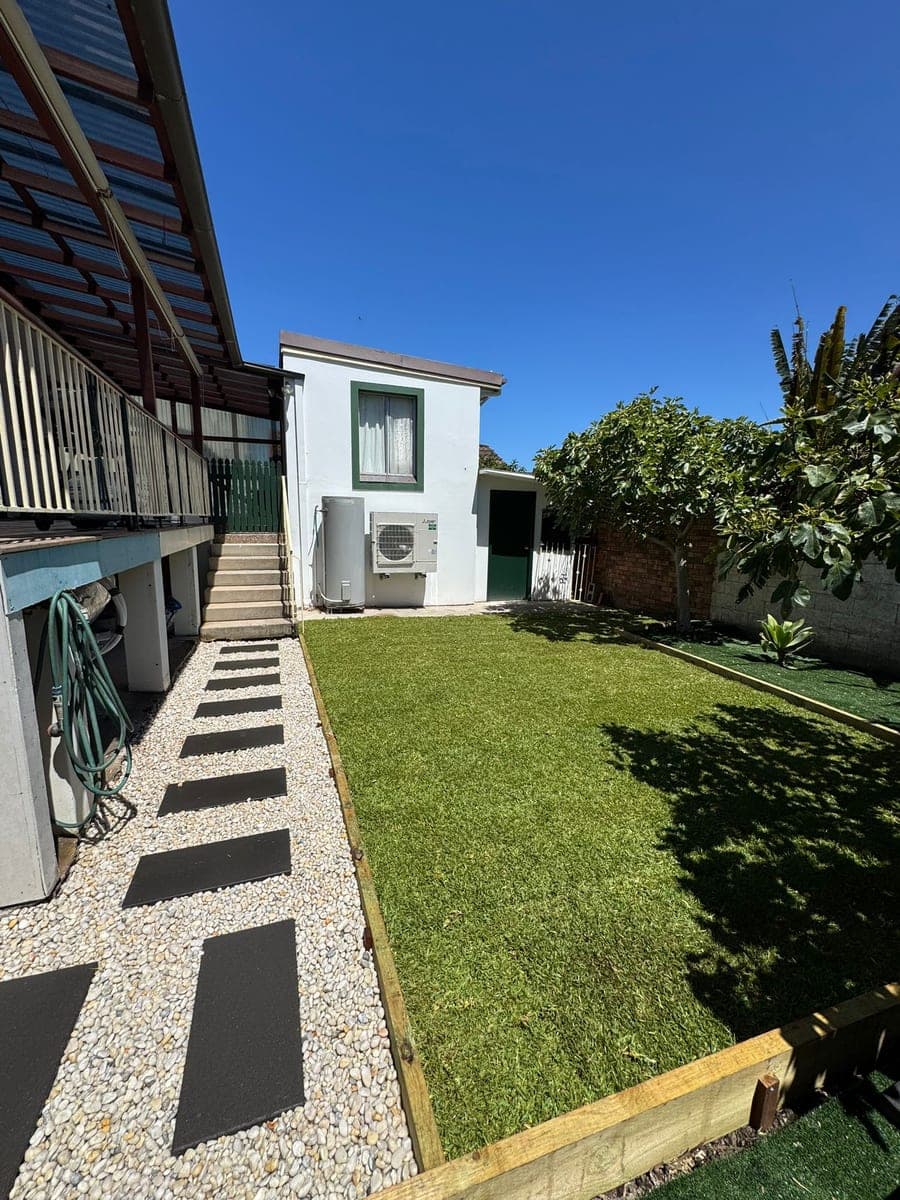
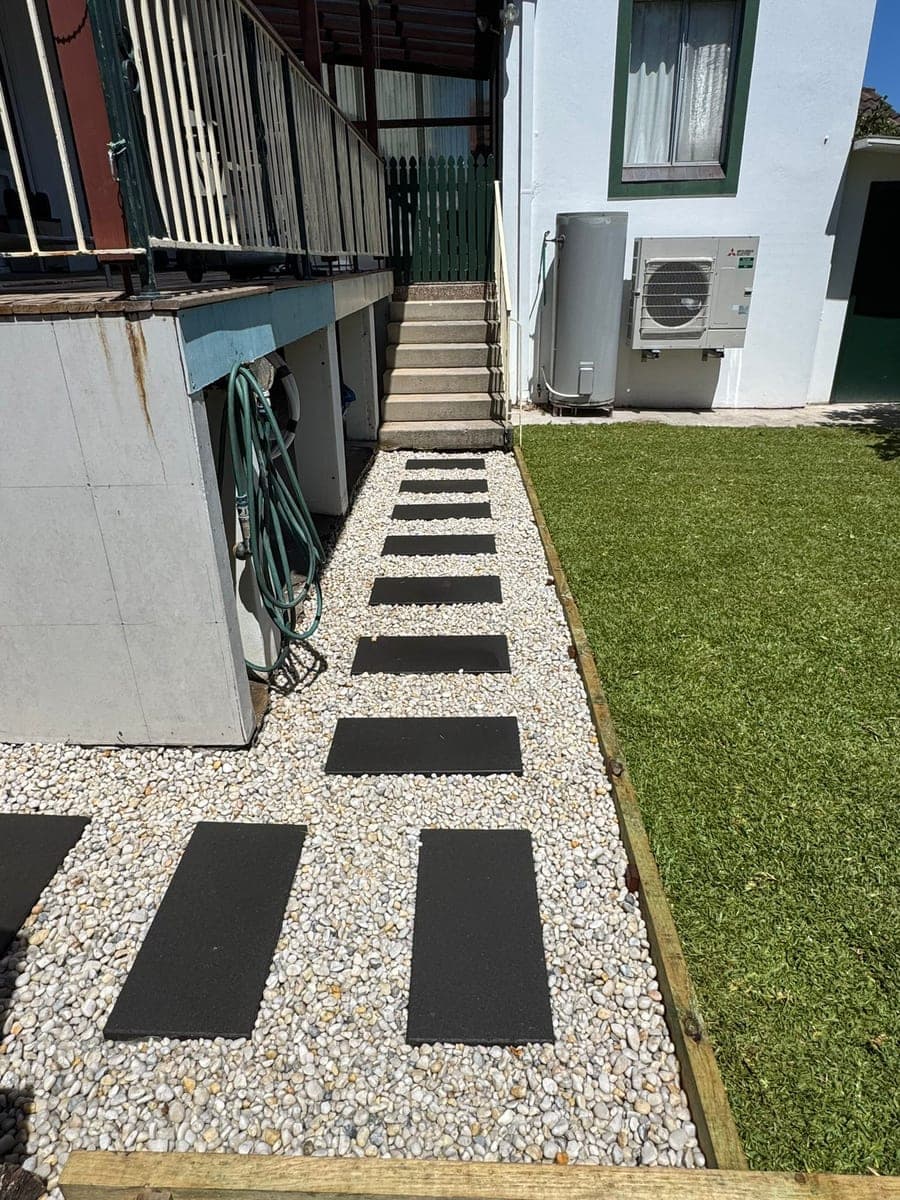
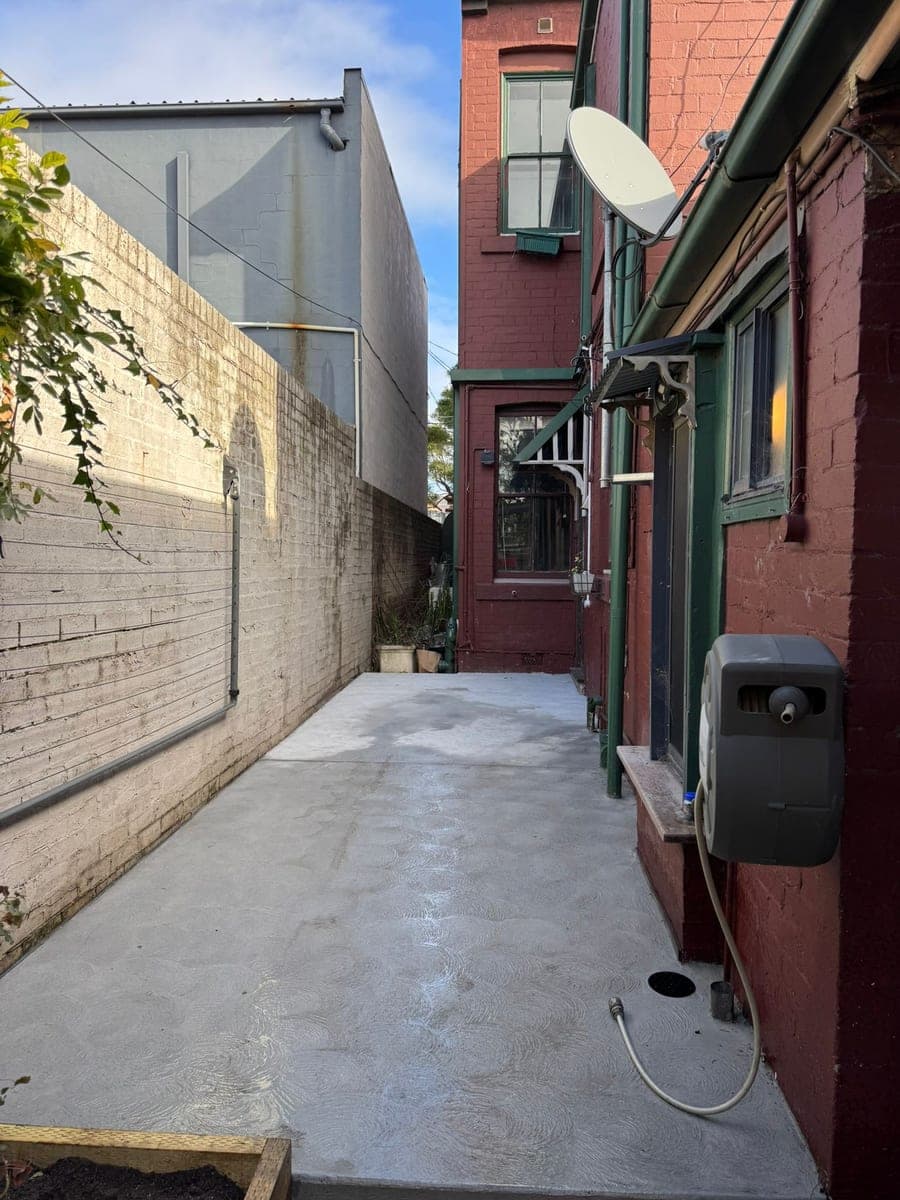
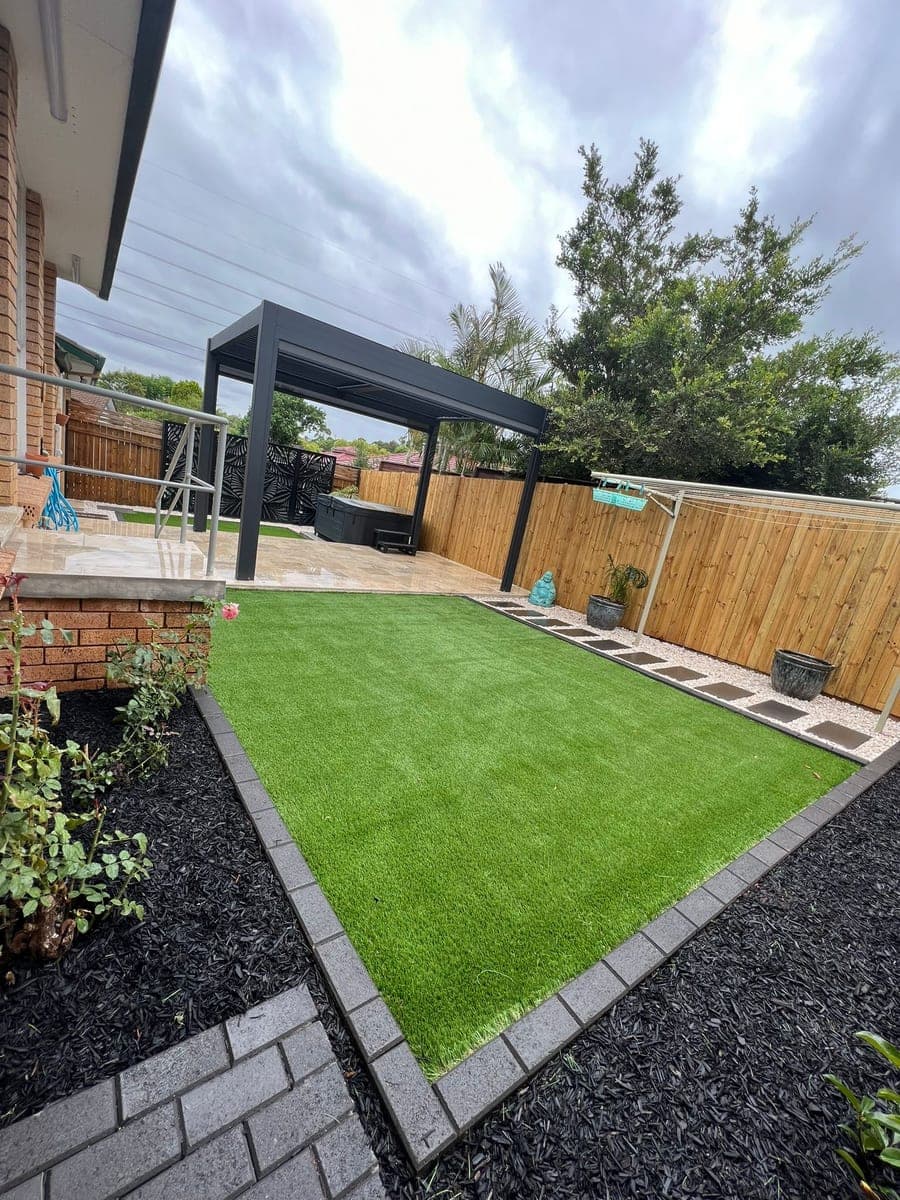
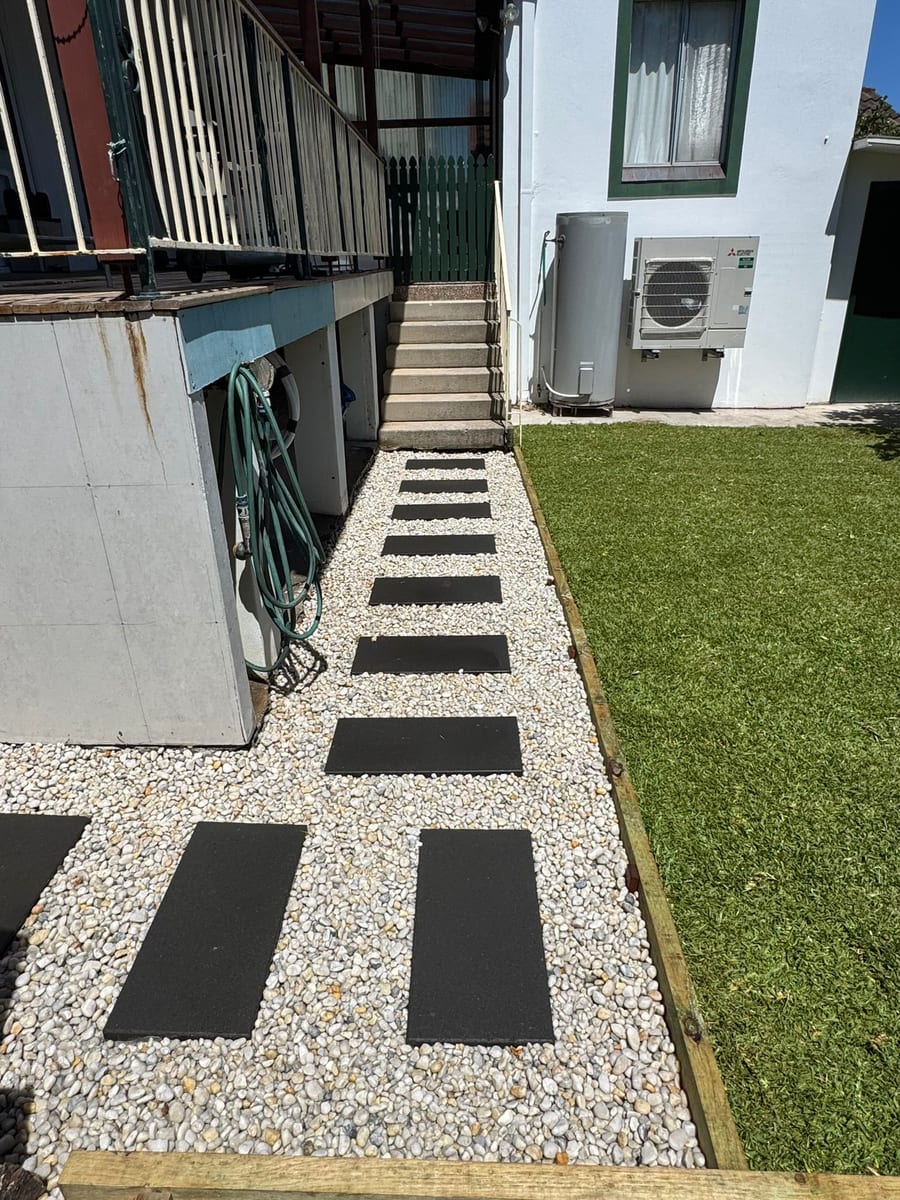
Our North Ryde project created a stepping-stone side route, while the Dulwich Hill backyard refresh replaced concrete with lawn and a path. Stone size, spacing, bedding and the material between the stones are chosen together.
What the work covers
Buff, gold and grey tones can complement brick and planted gardens. Texture and wet slip performance vary by product, so choose a finish suitable for the intended outdoor use.
Dark, dense and even in colour. It reads more contemporary than sandstone and shows less dirt, though it holds heat in an open, sunny position.
Consistent size and thickness, which makes for a very regular path. Useful where the layout needs to be exact or the budget is doing more work elsewhere.
Natural shapes fitted together. It suits informal and cottage planting, and takes longer to lay because each piece has to be cut and matched.
Stones set flush with the turf so the mower runs straight over them, with the base built up under each one to stop it sinking.
A courtyard treatment where full paving would feel heavy. Edge restraint matters here, or the loose material ends up everywhere else.
Completed work
How it works
We look at the routes already worn into the yard, what the path connects and who uses it, including anyone carrying bins or pushing a barrow.
Stones are laid out dry and walked before anything is fixed, so the stride feels natural rather than measured to a number on a page.
Each stone is dug out and bedded on a compacted base or mortar, depending on the traffic and the ground, then levelled so it does not rock.
Gaps are filled with pebble, ground cover or turf, and the surrounding lawn or mulch is made good so the path reads as part of the garden.
Customer reviews
Common questions
Gaps between stones can make wheeled access awkward. A continuous paved or concrete path may better suit bins, a pram, a mobility aid or regular deliveries. The required width, slope and surface should be considered for the intended users.
Close enough that you are not lengthening your stride to reach the next one. We lay the stones out dry and walk the path in both directions before fixing anything, because it is a body measurement rather than a drawing.
Not always. A compacted base is enough for most garden paths. Mortar bedding is used where traffic is heavy or the ground is likely to move. We decide after looking at the soil and how the path will be used.
Both the selected surface and its conditions matter. Check the product’s suitability for outdoor pedestrian use, including wet conditions. Shade, leaf litter and surface growth can increase slipperiness, so cleaning and drainage also need consideration.
Pebble for low upkeep, turf where the path crosses a lawn, or a low ground cover if you want a softer look and can accept some trimming. Sun and shade will rule out some of the ground-cover options.
Yes. Turf is cut out, a base is built up under each stone and the stone is set flush so the mower can pass over it. That flush setting is what stops the lawn wearing into a rut beside the path.
Start with the places people walk between, such as the door, clothesline and gate. Test the route and spacing before fixing the stones, allowing for turns, steps and plants as they grow.
Planning guides
Where we work
Tell us where the path has to get to and who uses it. We will set out the route with the rest of the yard.