Table of Contents
The cost of landscaping depends on the work you want, its size, the materials and the conditions on your property. Excavation, removal, finished levels and planting requirements can all change the amount of work involved. A useful price accounts for those details, rather than applying one rate to every garden.
Start with the work you want
Separate the essentials from the additions you could do later. You might need safe access to the gate and a usable lawn now, while a covered entertaining area can be considered as another stage. On other projects, building these elements together avoids disturbing finished work twice.
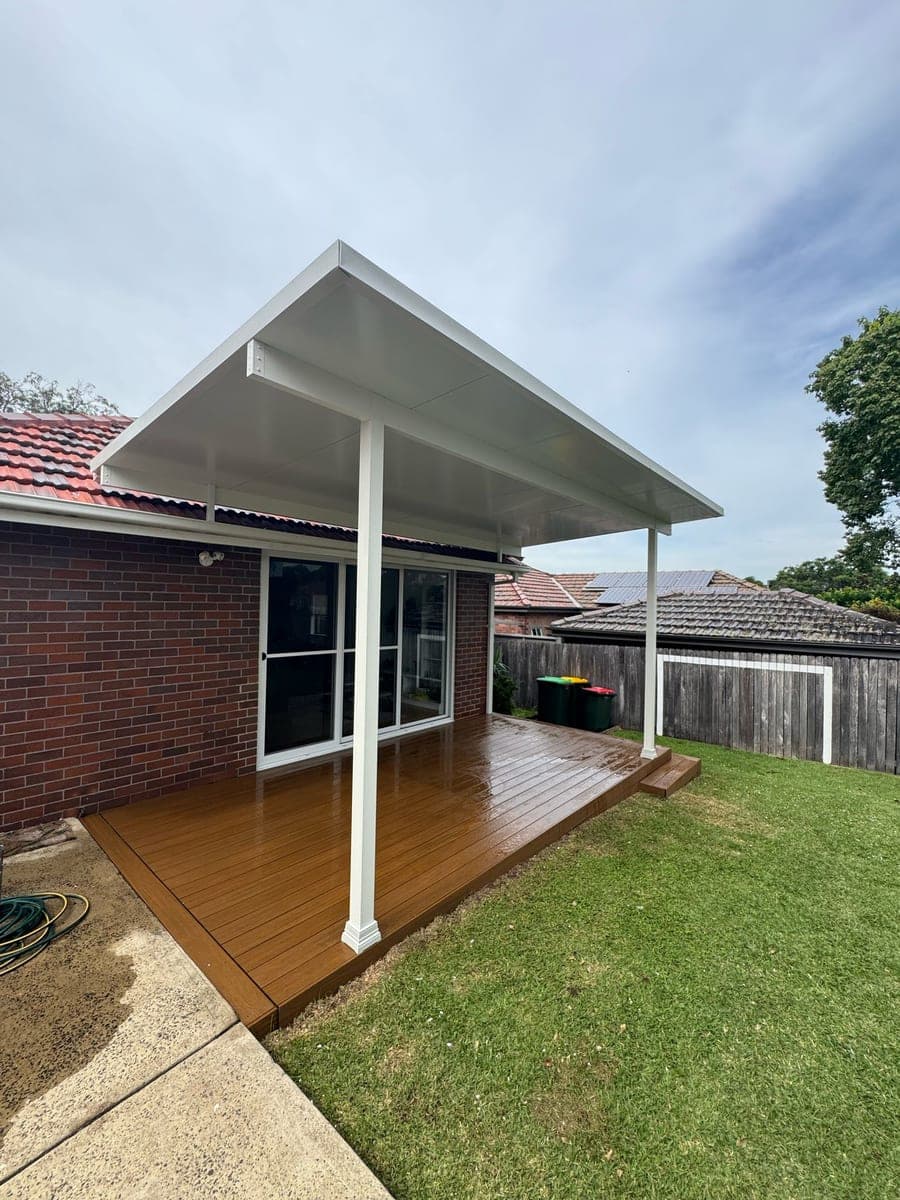
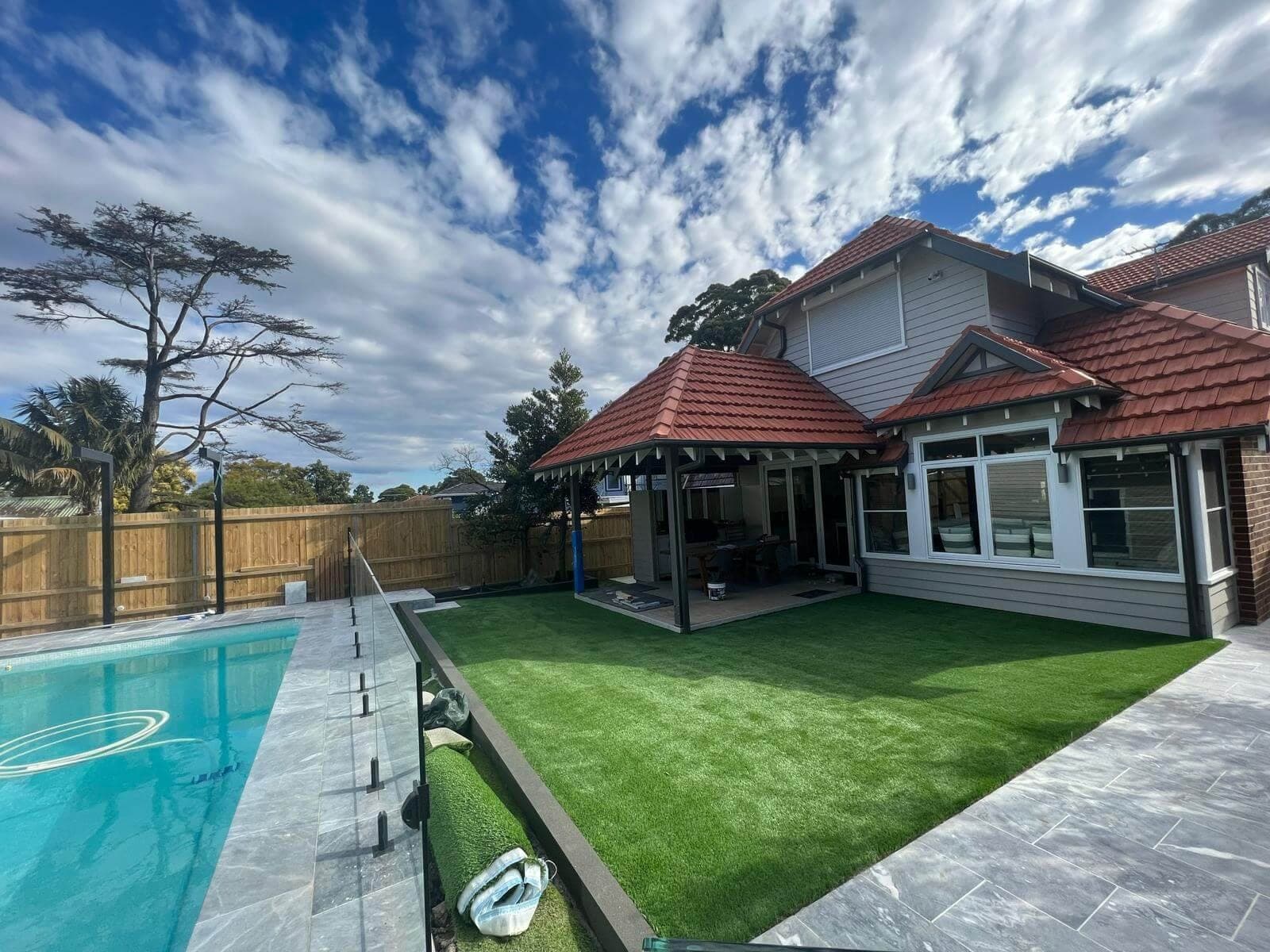
Our Tempe backyard makeover combined a composite deck, pergola, natural turf, concrete side paths, timber planters and new gates. The Glebe turf renewal concentrated on removing a failed lawn, improving the ground and laying buffalo turf. Both are landscaping projects, but their costs cannot sensibly be compared by yard area alone.
What changes the price
| Cost factor | What to compare in the scope |
|---|---|
| Size and layout | The area of each surface, length of walls and edges, and number of steps or level changes |
| Existing conditions | Removal of old surfaces, waste disposal, soil condition and features to protect |
| Access | Gate width, steps and the distance materials must travel to the work area |
| Construction | Excavation, bases, framing, footings, drainage and connections to existing work |
| Materials | The specified boards, paving, concrete finish, plants and turf variety |
| Additional requirements | Engineering, approvals or specialist work where the proposed scope requires them |
Access can add considerable labour, but it does not always outweigh materials or construction. Likewise, a slope does not automatically mean a complete rebuild: retaining the existing levels or using steps may be a sensible option.
Keep useful parts of the garden
Sound surfaces, established planting and serviceable structures may be worth keeping. The condition and future layout matter more than their age alone. Identify what stays before pricing removal, and check how new work will meet it.
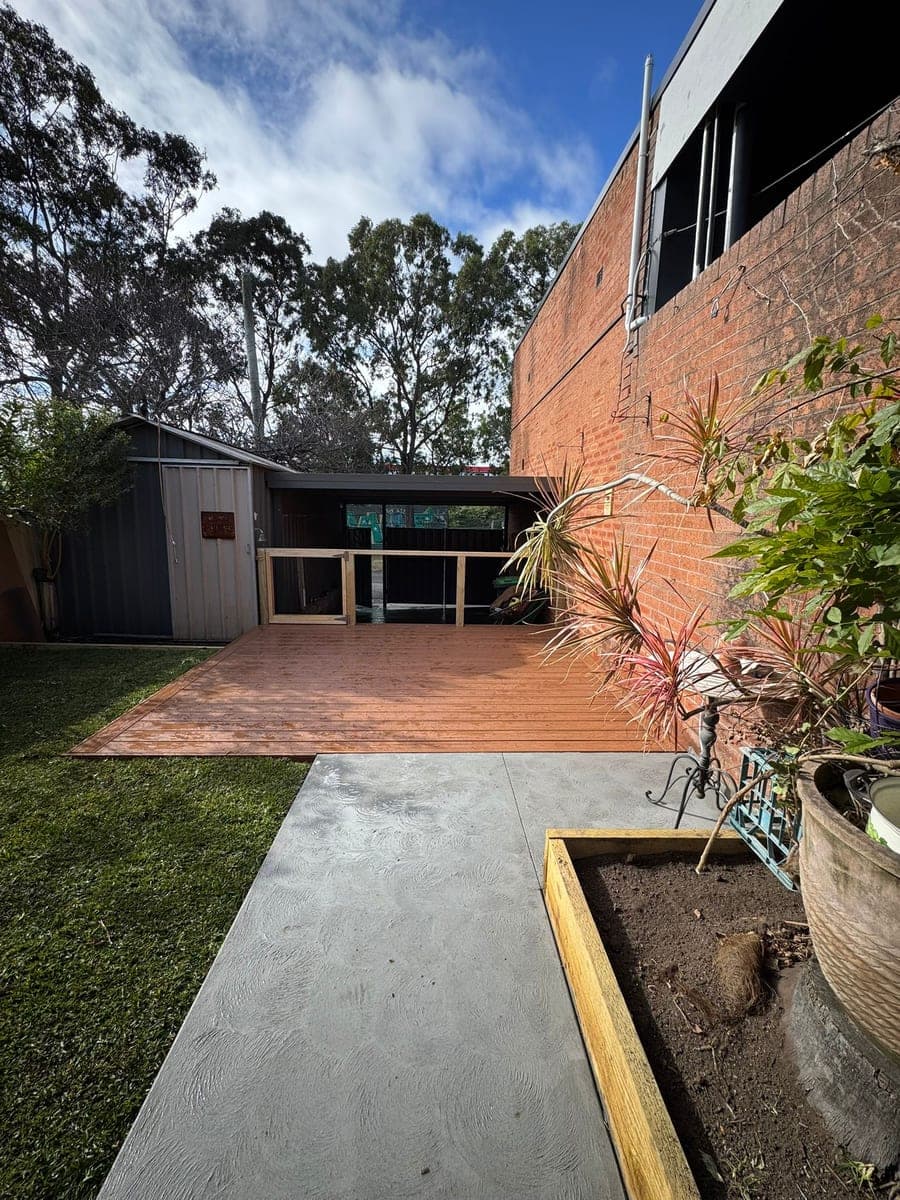
In the Dulwich Hill backyard refresh, removing concrete made room for turf and a stepping-stone route. On a different property, retaining useful paving might reduce the scope. The photographs help illustrate the work; they are not a price quotation for another garden.
Compare construction as well as finishes
Two similar-looking decks or paths may require different support underneath. Framing, soil conditions, drainage and expected use can change the construction method. Preparation is not a fixed cost shared by every material.
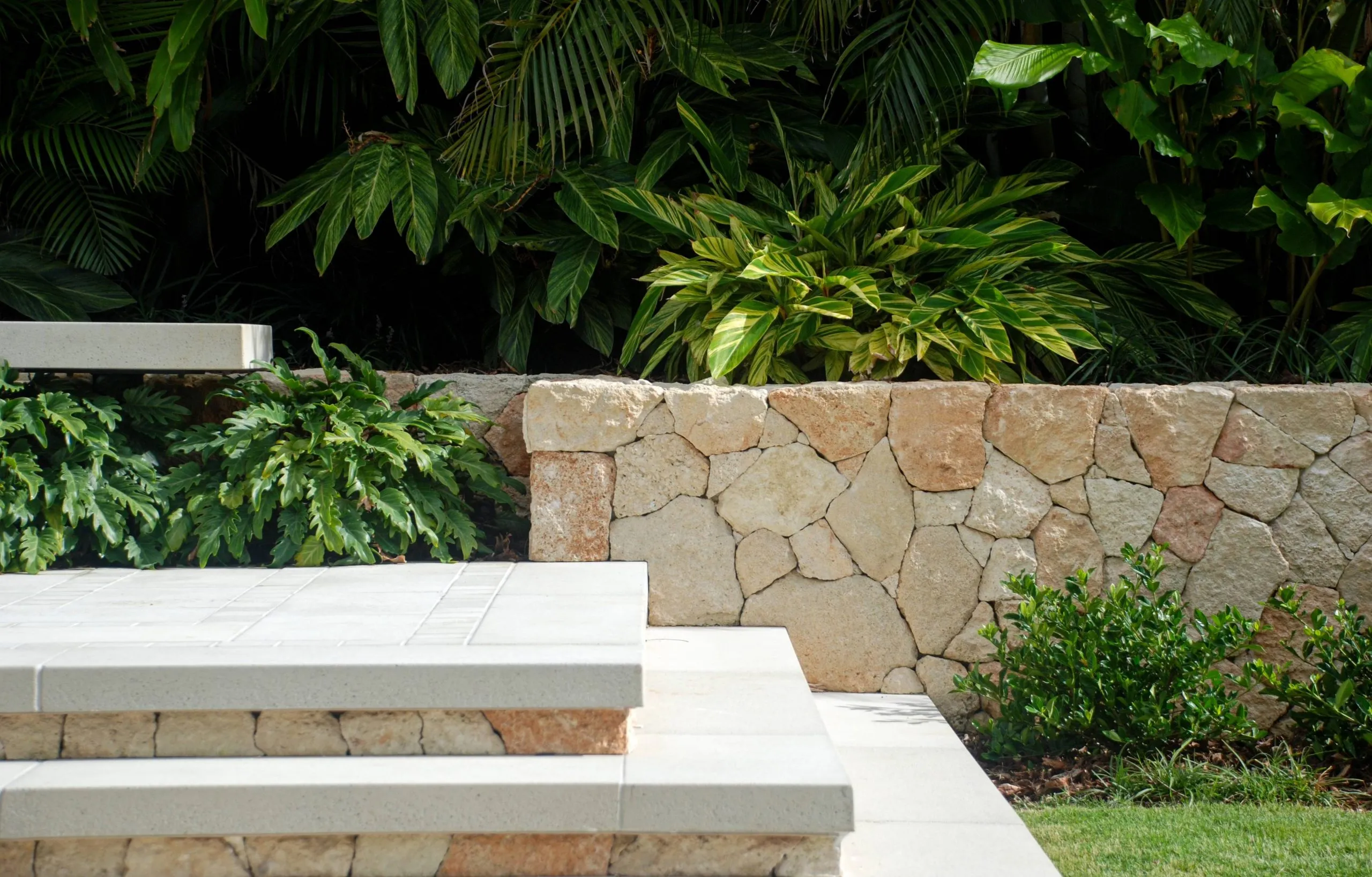
Ask what is included beneath the finished surface. For a deck, that may include the frame and connections to steps or doors. For a lawn, it may include removing existing grass and improving soil. For a retaining wall, the footing, drainage and loads need consideration alongside the wall face.
Make quotes comparable
Check that each written quote identifies:
- the work and materials included, with quantities or dimensions where useful;
- removal, disposal and ground preparation;
- drainage and connections to existing surfaces;
- any approvals or specialist work included or excluded;
- GST treatment, exclusions and how changes to the agreed work are handled.
Your written quote should identify any deposit, progress payments and what each payment covers. Payment terms belong in the agreement for your actual project.
Decide what to build together
A conduit beneath paving, irrigation to a new planter or the point where a deck meets a path may be easier to arrange while the area is open. Discuss these connections before deciding what to postpone. Staging can help manage the scope, but it should leave each completed stage usable and avoid unnecessary rework.
Outdoor Blitz offers landscape design and landscape construction, with the layout, materials and site preparation considered together. For a free quote on suitable work, tell us your suburb and the changes you have in mind. Photos and approximate dimensions help us understand the starting point; a site visit can confirm what is needed.